Stories. Questions. Different perspectives.
Browse WAURE
← Advice & Questions
Politics · Advice & Questions ·

We've already paid for the project study. Is that a reason we have to build it?
Politics category photographPolitics

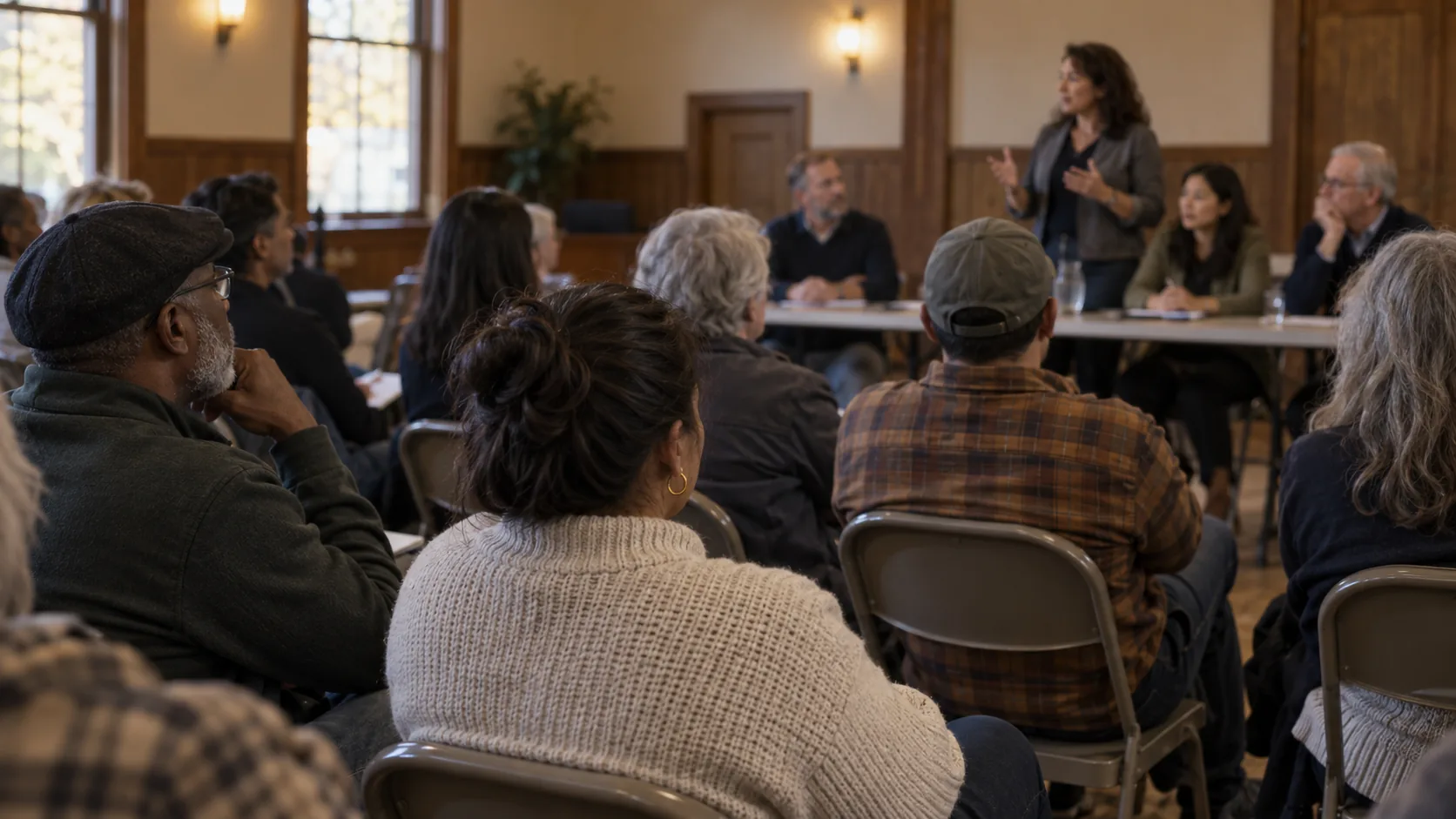
"Otherwise the study money was wasted," a supporter said when our civic group discussed whether to keep backing a proposed town facility.

The preliminary work has been paid for. The latest information has left some members less convinced about proceeding. I still want the facility, so I caught myself using the old expenditure as an extra reason to continue rather than asking what the remaining choices would cost and achieve.

The Treasury's 2026 Green Book treats costs already incurred and unchangeable as sunk costs, which should not determine the next decision. That seems different from saying no one should account for the money already spent.

How do we assess what to do next without either throwing more money at a weak case or using "sunk cost" to wave away questions about the original decision?

Discussion

5 community replies

Separate the unchangeable past cost from the costs and benefits of the remaining options. The Green Book says appraisal concerns decisions still to be made. A paid study can inform those decisions without obliging you to select the option it studied.

Don't assume everything associated with stopping is sunk. Ask about future commitments, any exit costs, and resources that could be recovered or used differently. Those need the actual arrangements, not a slogan about walking away.

A study that reveals a poor option may still have served a purpose. I'd judge what was learned and how it was used rather than decide its value solely from whether construction follows.

People are still entitled to ask why the study was commissioned and whether it was managed well. Excluding sunk costs from the next appraisal isn't an instruction to erase the spending record.

Keep that accountability discussion visible, alongside a comparison of the choices now available. The group can question past judgement and still choose the best remaining option; neither cancelling nor continuing automatically answers both questions.

Join the discussion

More in Politics