Should our two-minute speaking limit include the interpreter's time?
 Politics
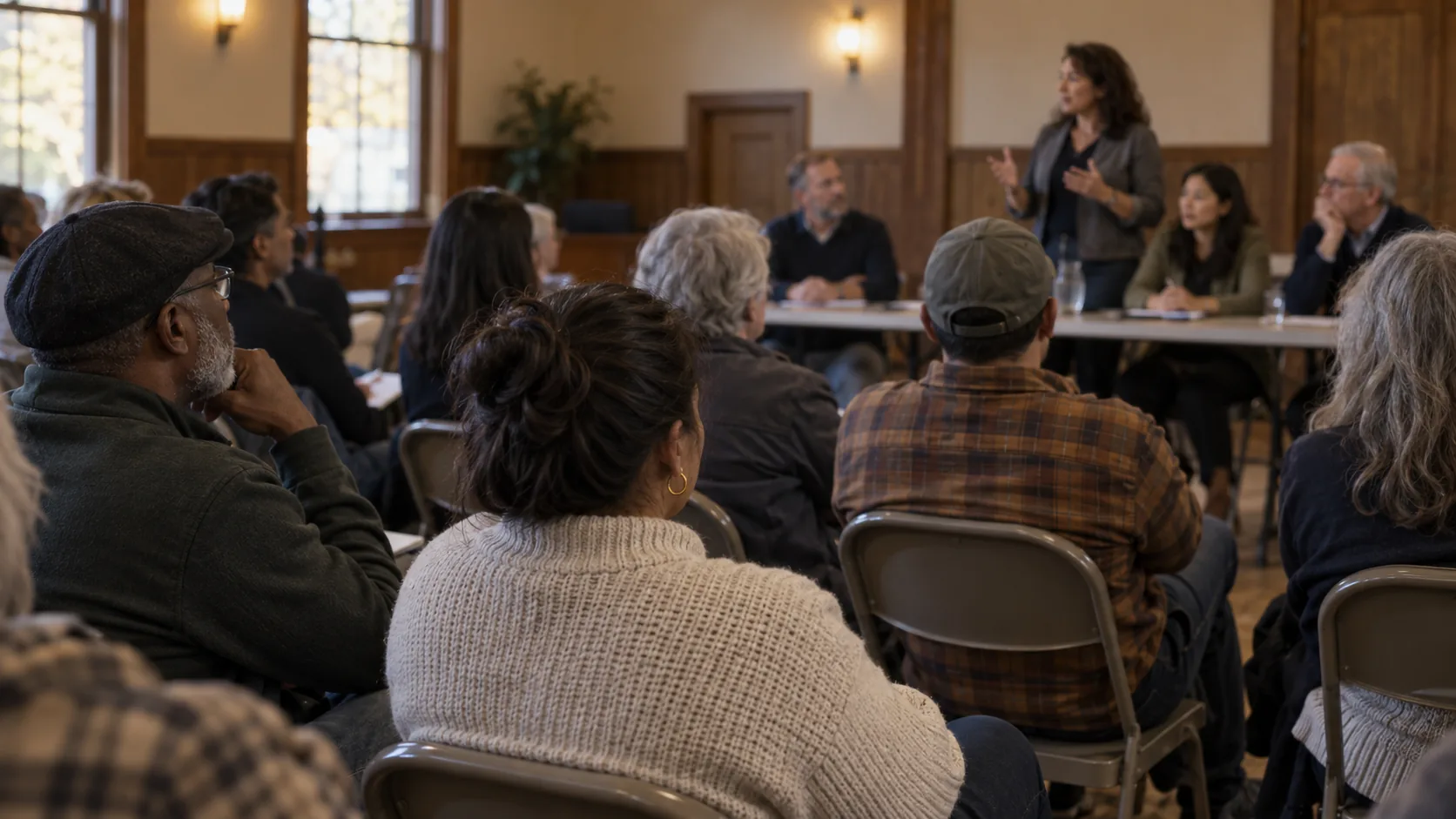
At our residents' meeting, the chair starts the two-minute clock when a member begins speaking and lets it run while a volunteer interprets. The member reaches the limit before finishing the request. The chair says everyone gets the same time and the queue is already long.
I want the member to have a comparable chance to make a point. I also understand that interpretation takes time in the room, and an open-ended slot would leave fewer people able to speak. Asking the interpreter to rush doesn't seem like a useful answer to either problem.
Would you pause the clock for interpretation, plan a longer slot, or change the format of the whole question session? How would you explain the arrangement to the people still waiting without treating interpretation as the speaker's fault?