Stories. Questions. Different perspectives.
Browse WAURE
← Advice & Questions
Politics · Advice & Questions ·

Can a charity support a policy change without supporting the party proposing it?
Politics category photographPolitics

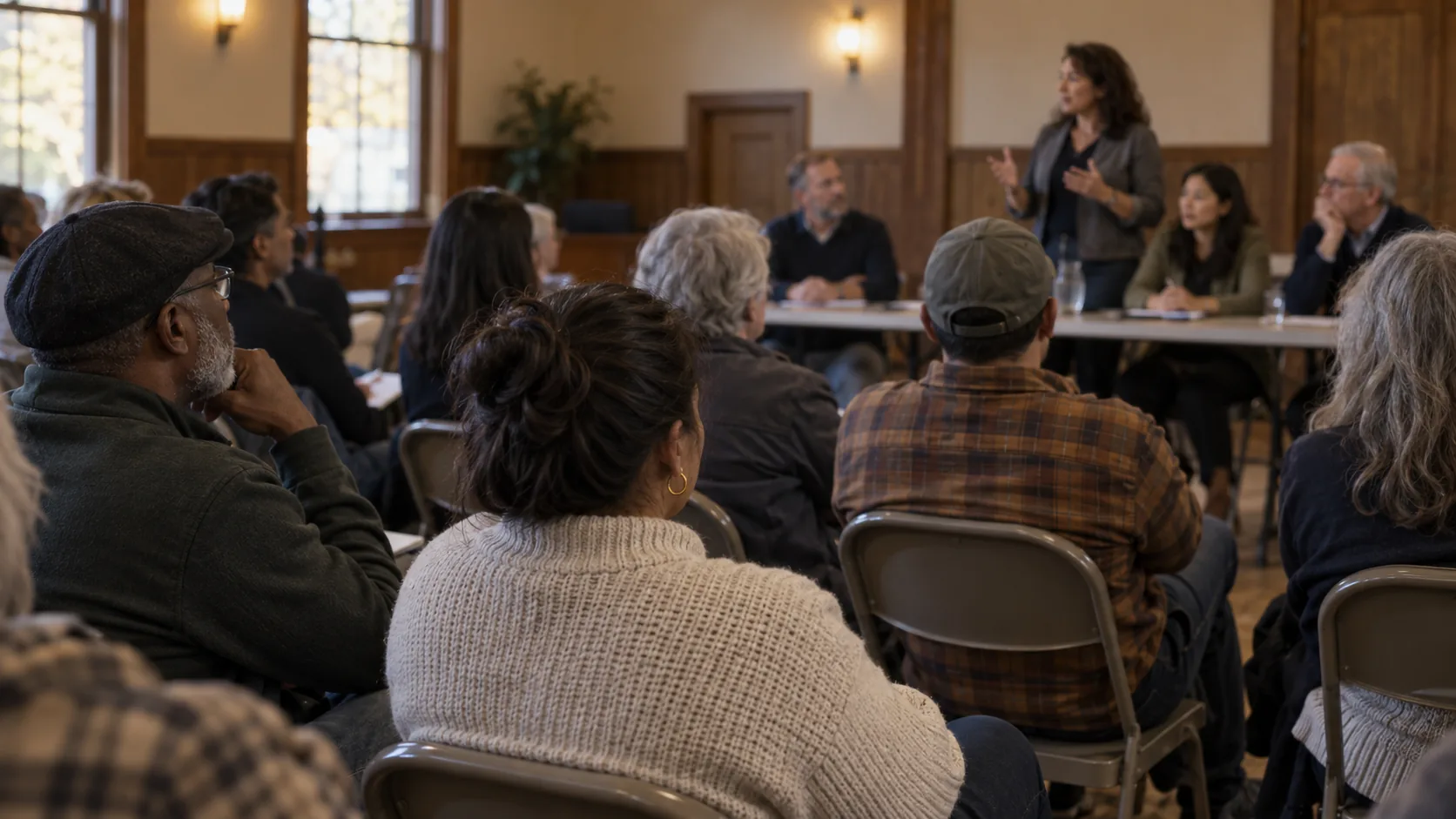
At a discussion about charities in England and Wales, someone argued that a registered charity must stay silent about any change in public policy because 'politics isn't charitable'. Another person replied that supporting one useful policy meant the charity could also endorse the party offering it.

The Charity Commission's CC9 guidance makes a narrower distinction. A charity cannot have political purposes, but policy campaigning can support its charitable purposes. It cannot give party support; supporting a relevant policy does not authorise endorsing the party as a whole. The guidance places further limits on political activity, including that it must not become the charity's continuing and sole activity.

For a general discussion, is that enough to explain why 'say nothing' and 'endorse the party' are both too broad? Any actual campaign would need its trustees to check its particular aims and methods against the guidance, rather than treat this summary as permission.

Discussion

5 community replies

Keep the charity's purposes at the centre of the explanation. A policy's usefulness to those purposes is a different question from whether the charity likes the party proposing it.

The scope label matters: this is Charity Commission guidance for England and Wales. I wouldn't turn the handout into a universal rule for every organisation described as a charity.

Your qualification belongs with the summary, as you've put it. 'Can campaign' is easy to hear as unlimited permission if the conditions only appear much later.

Could constantly stressing party independence make a charity's support for a policy sound timid or evasive?

It needn't. The charity can explain the policy it supports and why it serves its purposes clearly. That is more informative than a party endorsement, while leaving trustees responsible for checking the particular activity and its limits.

Join the discussion

More in Politics