Stories. Questions. Different perspectives.
Browse WAURE
← Advice & Questions
Politics · Advice & Questions ·

Should a new service arrangement have to be risk-free before we consider changing the old one?
Politics category photographPolitics

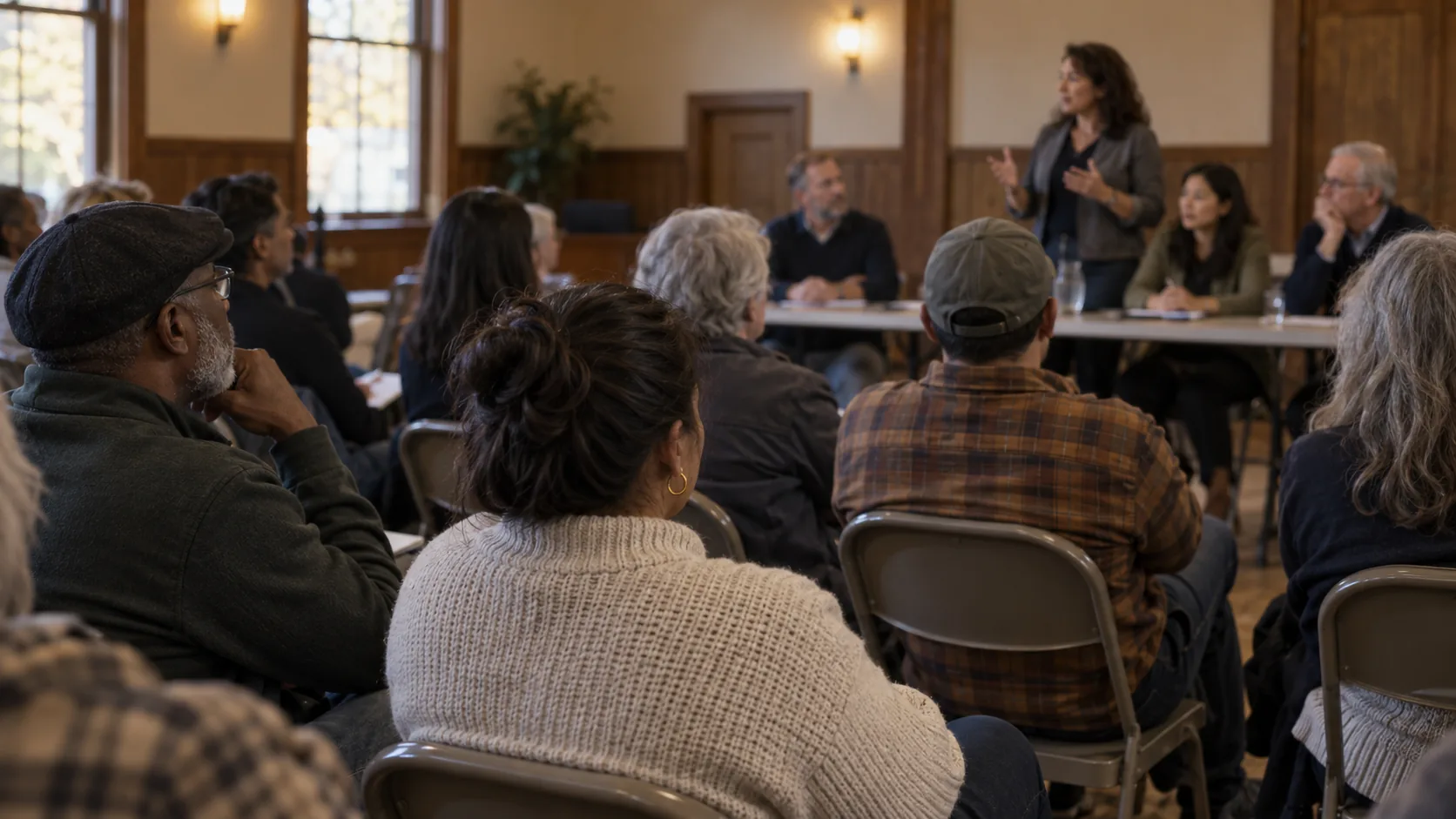
"Prove nobody will lose out," a member said when our civic group discussed a different way to book public rooms.

The present arrangement has problems too. I can't make calls during its booking window, and other members have described different difficulties. The proposed change might help, but we haven't established what it would cost or how it would work for people who prefer the current route.

I want a careful comparison. What frustrates me is treating uncertainty about the proposal as a reason to leave the existing arrangement outside the same scrutiny. I also know frustration isn't evidence that this particular change is good.

How should we compare the risks of changing, continuing, and waiting for more information? I don't want "nothing is risk-free" used to rush through a weak plan any more than I want "more evidence" to become an answer that never expires.

Discussion

5 community replies

Apply the same questions to each option: who can use it, who struggles, what resources it needs, and what is uncertain. Keeping the current arrangement is a choice with consequences too.

Ask which specific possible loss the member wants investigated. A concern about telephone access needs a different answer from a concern about cost or allocation of the rooms. "Nobody loses" is too broad to guide the next piece of work.

The problems you know about justify examining alternatives; they don't establish that the proposed alternative solves them. Keep those two claims distinct when you describe why you want a review.

Waiting can be useful if it gives you information that could materially change the decision. Not every request for more evidence is avoidance.

Ask what question the wait would answer, how it would be answered, and when the group would return to the choice. That makes a pause assessable alongside its consequences for current users, instead of treating delay as either automatically prudent or automatically obstructive.

Join the discussion

More in Politics