Stories. Questions. Different perspectives.
Browse WAURE
← Advice & Questions
Politics · Advice & Questions ·

Our civic workshop filled before I finished work. Is first-come-first-served the fairest way?
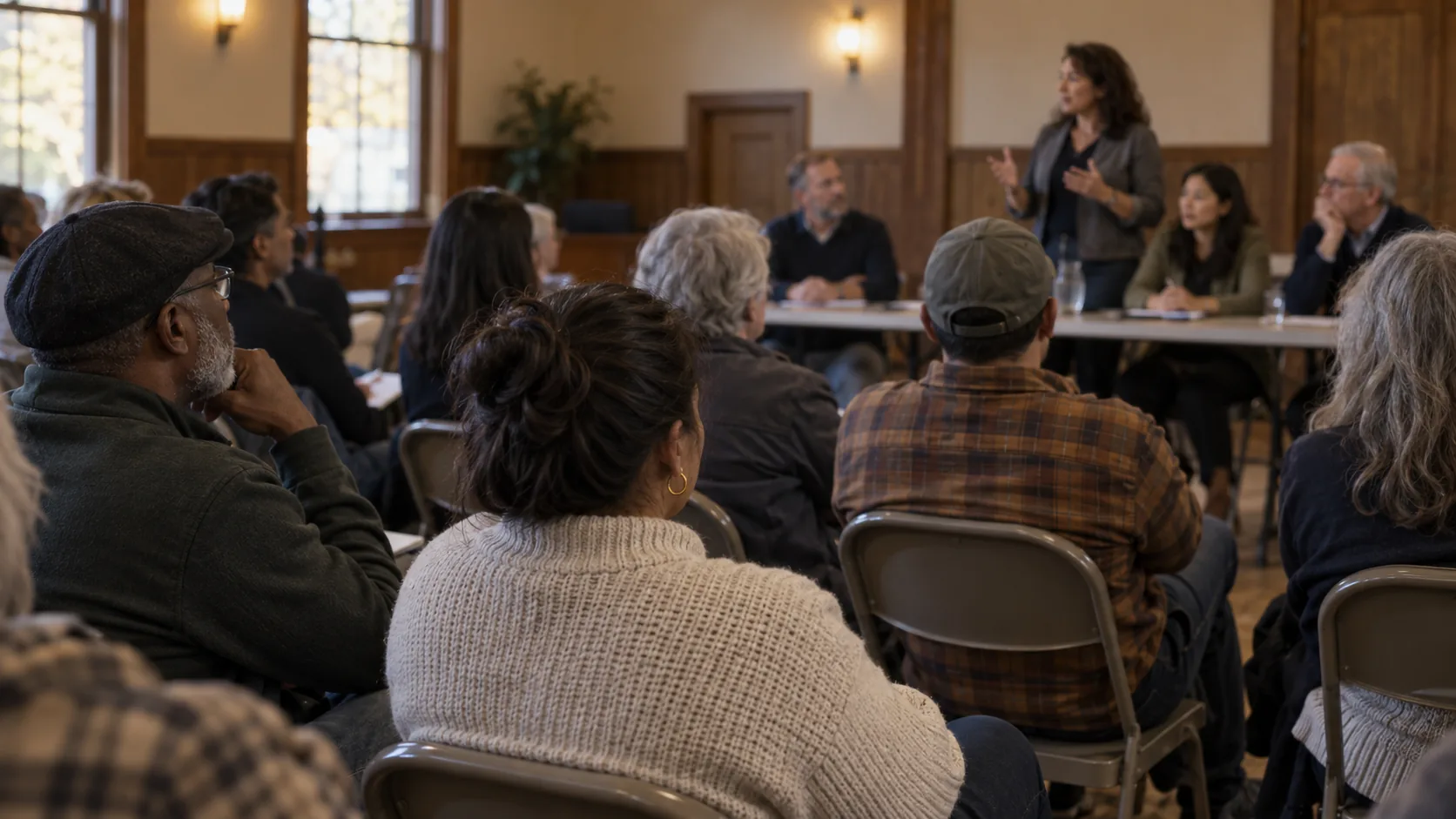
Politics category photographPolitics

The invitation arrived in the morning. When I opened it after my shift, every workshop place was taken.

The organisers want residents to discuss priorities for the town plan. They say first-come-first-served avoids choosing favourites. I understand the attraction of a clear rule. But being quick to open an email doesn't seem especially connected to having something useful to contribute.

I'm not asking them to remove someone so I can attend. I'm helping with a later session, where we could set an application window and decide how to allocate places afterwards. A colleague worries that a draw would frustrate people who took the trouble to reply promptly.

What would be a fair arrangement for limited places, and how should we describe what the workshop can speak for whichever method we choose?

Discussion

5 community replies

A clear rule can still distribute opportunities in a way you don't want. Decide first whether this is simply an event with limited seats or a group meant to bring together a range of experiences. The purpose should inform how places are allocated.

I'd publish an application window for the next session, then explain the allocation method before anyone applies. That gives people a chance to respond without expecting them to watch their inbox all day.

Keep a waiting list and a way to release places people can't use. Whatever method you choose, an empty chair beside someone who wanted to attend would be frustrating.

A draw can give applicants a chance without making the resulting group a miniature version of the town. Don't let the word "random" do more work in the event description than the process supports.

That matters for the report afterwards too. Describe who was invited, how people applied, and how the participants were selected. The workshop's ideas can be useful without presenting its preferences as a mandate from every resident.

Join the discussion

More in Politics