Stories. Questions. Different perspectives.
Browse WAURE
← Advice & Questions
Politics · Advice & Questions ·

Our civic group wants its prepared messages to look like unconnected personal posts. Can I decline?
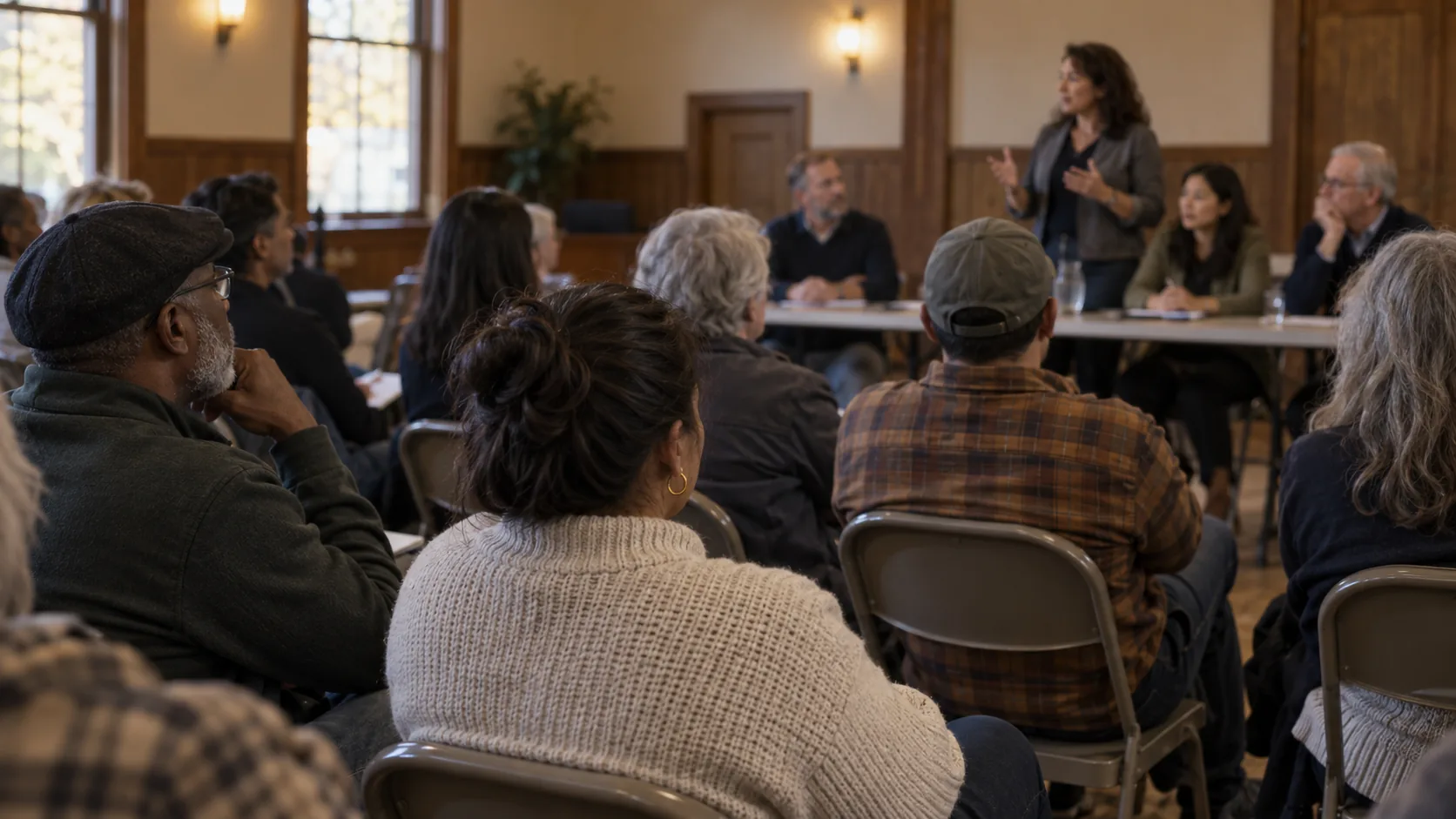
Politics category photographPolitics

The coordinator sent us a prepared message about a policy proposal and asked several members to post it from personal accounts. I asked whether we should mention that the association had organised the posts. They said it would look more convincing if each appeared to be an unrelated person’s spontaneous reaction.

I’m willing to say what I think. I’m uncomfortable lending my account to that impression, especially when the wording includes points I haven’t considered myself. The coordinator says a template is simply help for busy volunteers.

How would you explain the boundary? I don’t want to accuse everyone who uses suggested wording of dishonesty. I do want to distinguish help expressing a view from being asked to hide the coordination and imply that I independently wrote and checked the whole message.

Discussion

5 community replies

Name the specific request that troubles you: making coordinated posts appear unrelated. A template can help people write, but that doesn’t require concealing where the message came from.

You can decline the prepared text and, if you wish, express the points you actually support in your own words. Don’t let being part of the association turn into a claim that you have checked every sentence.

Ask whether the group could post its statement openly under its own name and let members discuss or share it with context. That gives the prepared message an identifiable source.

People often pick up ideas and wording from groups they belong to. Must every personal post carry a complete history of those influences?

No complete history is needed to explain this boundary. The concern is an explicit plan to manufacture the appearance of unconnected, spontaneous reactions. You can object to that plan without claiming that every shared phrase requires a disclosure essay.

Join the discussion

More in Politics