Stories. Questions. Different perspectives.
Browse WAURE
← Advice & Questions
Politics · Advice & Questions ·

My friend asked what evidence would change my mind. I don't have a magic number
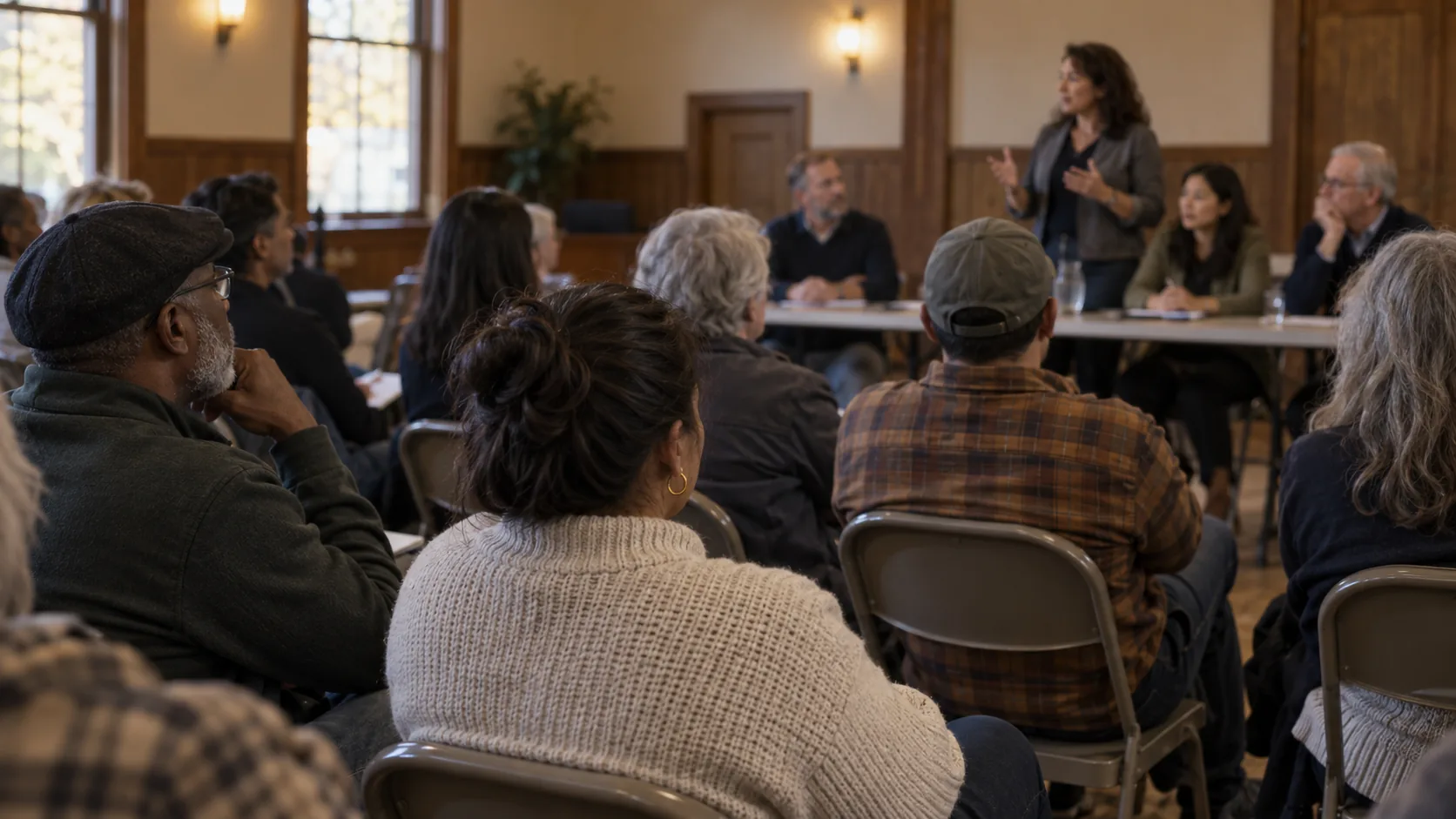
Politics category photographPolitics

"What figure would make you support charging admission?" my friend asked during a discussion of a publicly supported town festival.

I favour keeping it free. I care about the costs too, but I couldn't name a single number that would settle the question for me. I'd want to understand who might be excluded, what alternatives exist, and what the festival is meant to provide.

My friend said that meant my position wasn't based on evidence. I nearly invented a threshold just to prove I was open-minded.

How can I explain the factual questions that could change my assessment alongside the values I'm weighing? I don't want to make my position impossible to question, or pretend every public choice has one decisive statistic.

Discussion

5 community replies

Name which parts of your reasoning are claims about what would happen. If you expect a charge to keep people away, that's something to investigate. How much weight you give access compared with other aims is a further judgement.

You can be open to changing your mind without promising that one result will settle it. Say what information is missing and how it could affect the choice. That is more honest than offering a number you don't believe in.

Your friend deserves the same question about the proposed charge. Its case may also depend on assumptions about attendance, costs, and alternatives, rather than on a single obvious fact.

Be careful that "I weigh many things" doesn't let you move the test every time an inconvenient finding arrives. It would help to record your main concerns before seeing the information.

That's a fair discipline. Write down the concerns and explain which findings would strengthen or weaken them, while leaving room to weigh them together. If a new concern emerges later, identify it as new rather than pretending it was always the reason nothing could persuade you.

Join the discussion

More in Politics