Stories. Questions. Different perspectives.
Browse WAURE
← Advice & Questions
Politics · Advice & Questions ·

I came to give my view at the civic meeting and became everyone's interpreter
Politics category photographPolitics

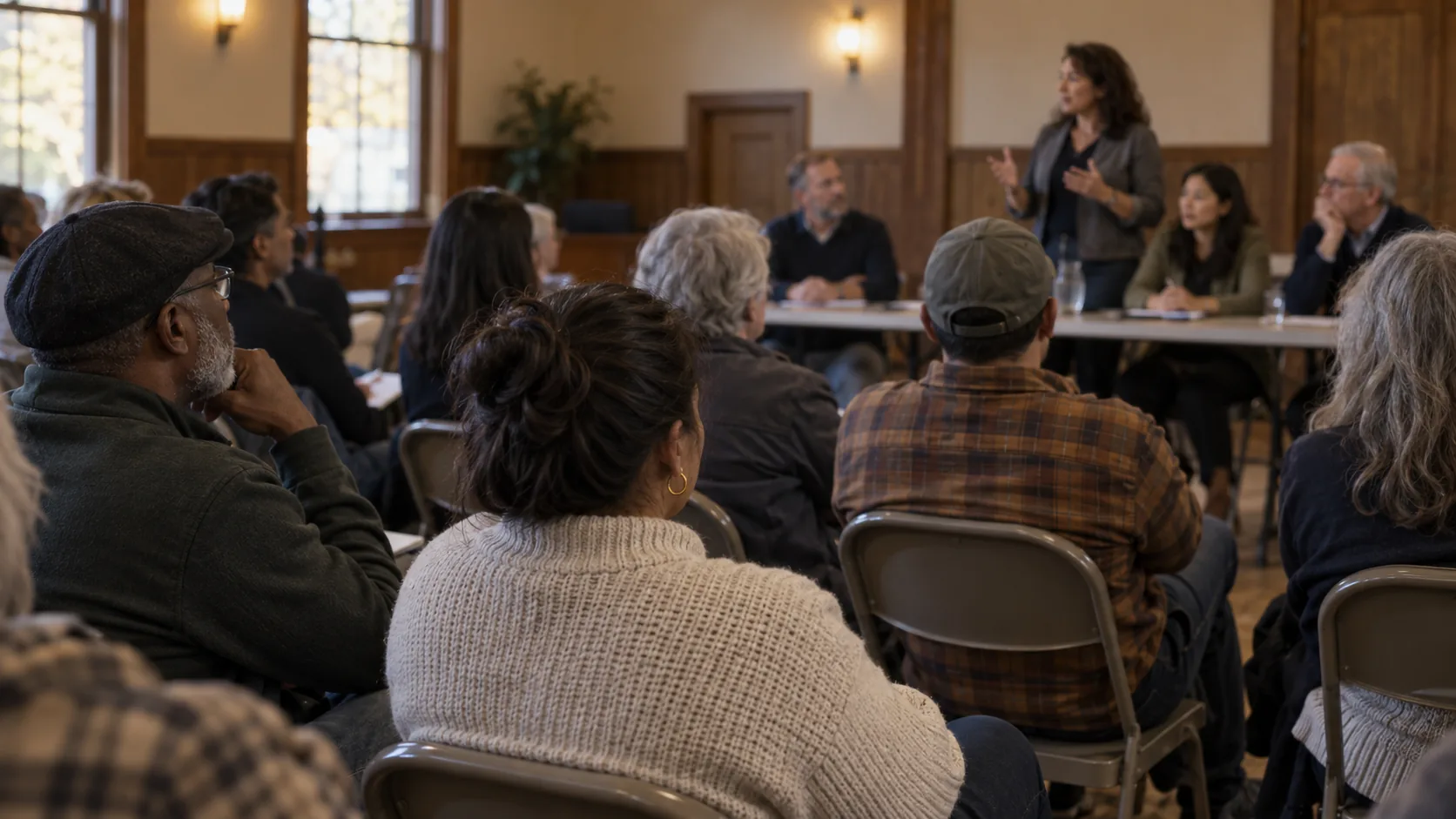
I offered to help with greetings in two languages at a meeting about local services. Once the discussion started, the organiser looked at me after every contribution.

I speak both languages in everyday life, but I hadn't agreed to interpret a whole meeting. I was trying to follow detailed proposals, relay other people's questions, and work out when I could express my own view. At one point the chair asked whether "we" agreed, and I couldn't tell whether he meant me or the person whose words I had just conveyed.

I don't want to withdraw help and leave people out. I also don't want an improvised arrangement to make me responsible for everybody's meaning.

What should I agree with the organiser before another session, including how I can participate in my own capacity?

Discussion

5 community replies

Tell the organiser what you offered and what the live discussion actually required. They need to arrange language support appropriate to the meeting, rather than assume everyday fluency means you can cover every role throughout it.

When you give your own view, mark that change plainly. The chair should address the other participant directly and give them the chance to confirm their own agreement, instead of treating your presence as a shared position.

The meeting also needs enough time for people to hear and respond. Asking everyone to speak one at a time and pause could help, but it won't by itself solve who is responsible for interpreting.

Some temporary help might be better than abandoning a conversation halfway through. I'd distinguish what you can manage in the moment from what you agree to provide at future meetings.

You can make that boundary concrete: which short exchanges you can help with, when you need a pause, and what you can't confidently convey. Ask the organiser to discuss the next arrangement with the people who need it, rather than let an emergency favour become the standing plan.

Join the discussion

More in Politics