Stories. Questions. Different perspectives.
Browse WAURE
← Advice & Questions
Politics · Advice & Questions ·

How much should a civic plan value benefits that arrive after the next election?
Politics category photographPolitics

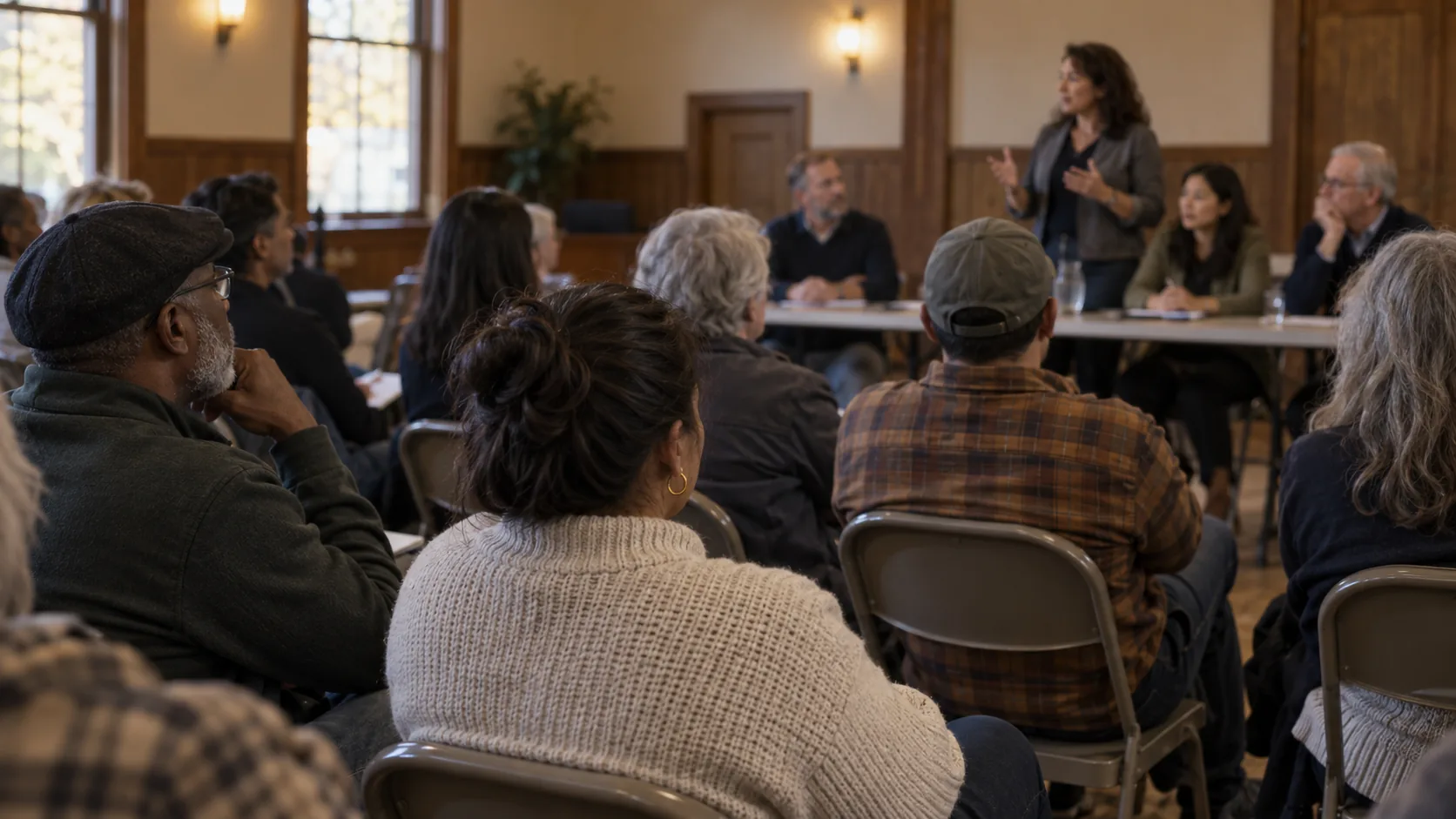
Our local policy discussion group is comparing two ideas for an adult-learning service. One would add advice appointments fairly quickly. The other would develop a longer course, with its first participants finishing after the next council election. Nobody has costed either idea yet.

Someone dismissed the course because the people approving it might no longer be in office when it produced results. I pushed back, then realised I was treating “long term” as a reason to favour it without asking how likely the promised benefits were. Residents needing help now would also be asked to wait or accept less elsewhere.

What questions would make this a fair comparison? I want a plan that can look beyond an election date, but I don’t want future benefits to become an excuse for vague promises that nobody can check along the way.

Discussion

5 community replies

Ask what progress could be checked before anyone finishes the course: a workable design, enough tutors, suitable enrolment and support for people who struggle. Those are proposed checks, not proof the final benefit will happen.

The immediate option deserves more than the label “short term.” An appointment that solves an urgent obstacle could have lasting value. Compare what each idea is expected to change for residents.

The election date may explain the political incentive, but it isn’t a good substitute for a service timetable. Get costs, capacity and realistic delivery steps before choosing a winner.

Could staged checks make the longer course too easy to cancel before it has had a fair chance? Some benefits really do take time.

Agree in advance what would justify continuing, changing or stopping it, including a reasonable period to observe results. That gives it a fair chance without requiring everyone to ignore missed commitments indefinitely.

Join the discussion

More in Politics