Stories. Questions. Different perspectives.
Browse WAURE
← Advice & Questions
Politics · Advice & Questions ·

Does World Heritage listing mean UNESCO owns the place?
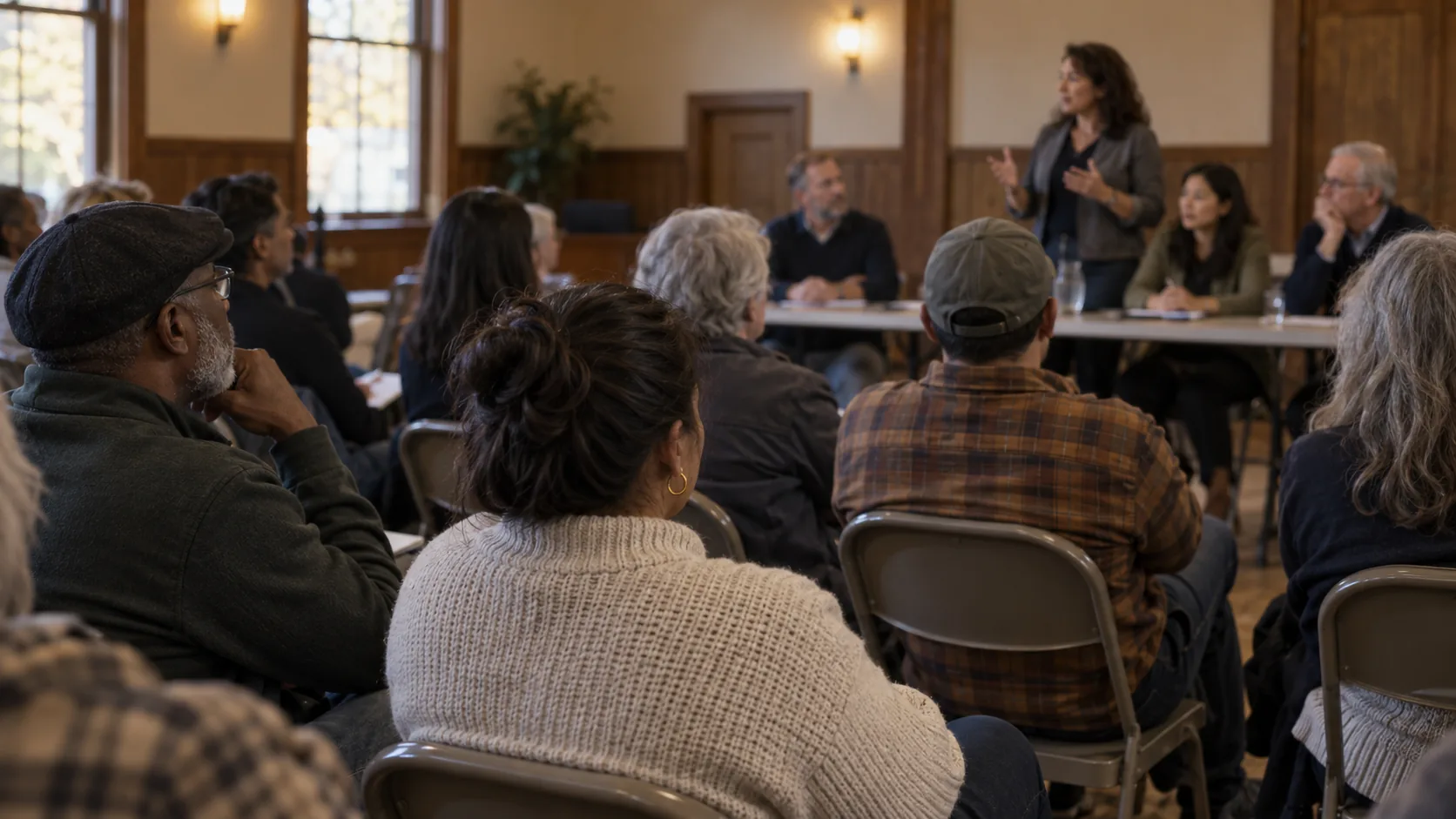
Politics category photographPolitics

A draft introduction to our heritage discussion calls World Heritage sites 'owned by UNESCO'. The writer says they mean the places matter to everyone, rather than just the people living nearby. I think readers could understand the wording as a claim about actual ownership.

UNESCO's ownership FAQ describes international concern for protection rather than a transfer to UNESCO. Article 6 of the World Heritage Convention respects state sovereignty and property rights under national legislation while recognising international cooperation in protecting the heritage.

How would you explain that distinction in ordinary language? I want to correct the ownership claim without implying that listing is merely a decorative badge, or pretending this general explanation tells us which changes are permitted at a particular site.

Discussion

5 community replies

I'd use 'internationally recognised and protected heritage' rather than 'owned by UNESCO'. It conveys why the wider community has an interest without turning that interest into a claim about a deed.

Don't replace it with an assumption that every listed property is owned by a national government either. The Convention's recognition of property rights under national legislation is a useful reason to check the actual ownership.

For a discussion about one site, I'd identify the owner, the manager and the relevant decision-making bodies separately. A familiar international label doesn't tell readers which organisation handles the question they're asking.

'Belongs to everyone' can be a generous metaphor. I wouldn't want to make the introduction so technical that the reason people care about the place disappears.

You can keep that sense of shared concern and explain that it isn't a statement of ownership. A sentence about protecting heritage for future generations would preserve the point without assigning UNESCO a property role it hasn't acquired.

Join the discussion

More in Politics