The council’s comment summary named critics but called supporters “residents”
 Politics
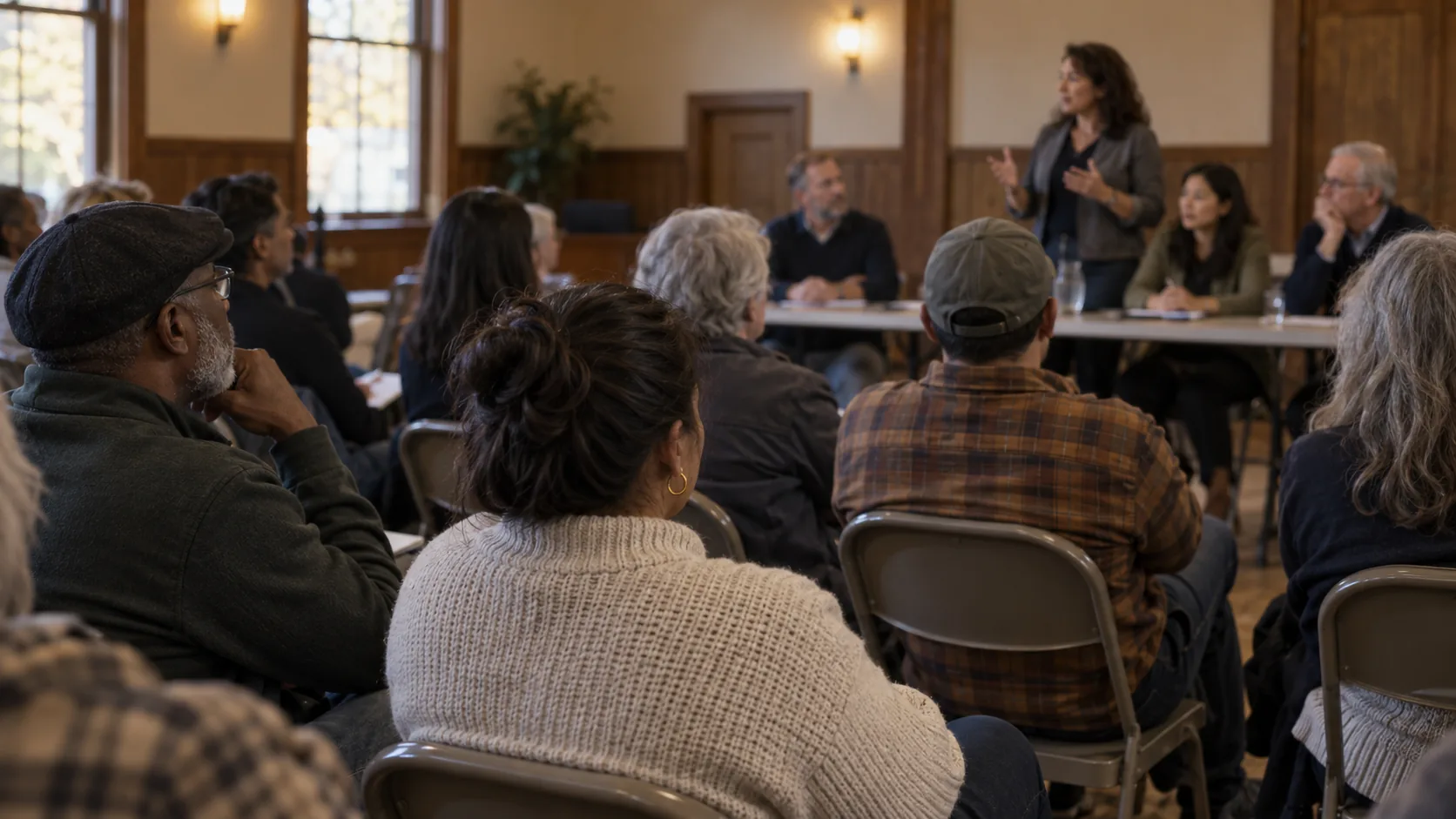
I opened the council packet to see how staff summarized last month’s housing hearing. My name appeared beside the sentence opposing the proposal. People who supported it were grouped under “several residents spoke in favor,” even when they had introduced themselves on camera.
The clerk told me the summary was not a transcript and said names were included when speakers submitted written material. That explained some entries, not mine; I had spoken from the lectern and filed nothing.
I asked for the rule used to decide when a name appears and requested a corrected summary that treats both sides the same way. I did not ask staff to erase the fact that I spoke. Public comments are public. The problem was selective attribution making one position look organized and the other spontaneous.
The vote had already happened. The packet would still become the record people found months later, when the room and its uneven name tags were gone.