Rewatching a childhood comedy did not require pretending every joke still worked
 Entertainment
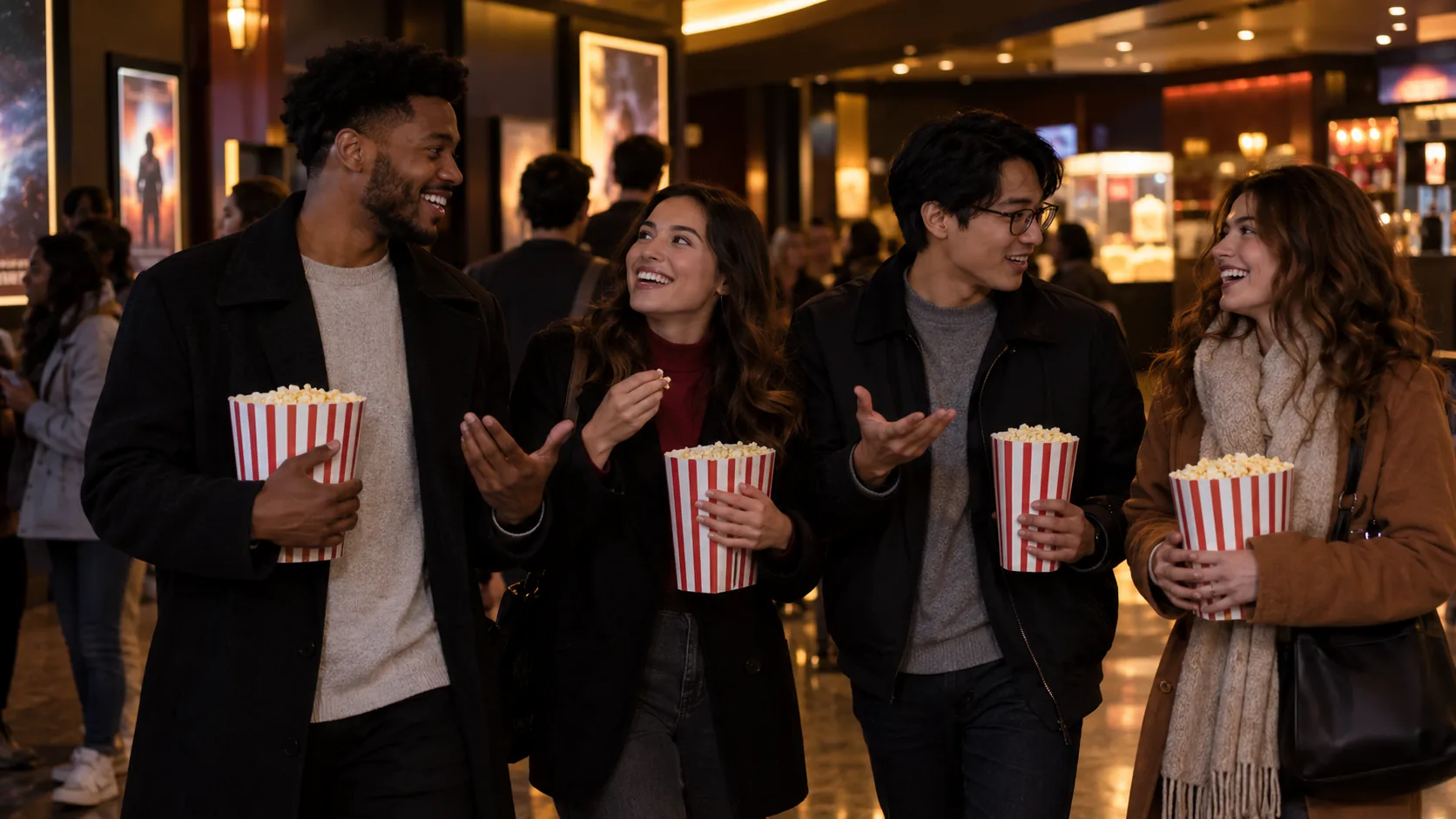
Three friends and I rewatched a comedy we had quoted since middle school. We expected an easy nostalgia night: familiar music, remembered lines and the pleasure of knowing exactly when everyone would laugh.
Some parts were still sharp. Other jokes relied on humiliating characters for their bodies, accents or presumed sexuality. We laughed less than we remembered. When I said one running gag felt cruel now, a friend told me not to analyze a movie that had given us years of happiness.
Her reaction made sense emotionally. Criticism sounded like an accusation against our younger selves and the friendship built around the film. If the movie had aged badly, perhaps our affection looked embarrassing too.
But nostalgia is not a contract to preserve every response. We did not possess the same experiences or vocabulary when we first watched it. Noticing a joke differently does not erase the nights when it made us laugh, any more than loving those memories forces the joke to remain harmless.
The rewatch became better once we stopped deciding whether the entire movie was “still good.” We talked about which performances survived, which scenes depended on lazy assumptions and why certain lines stayed funny. Affection and criticism occupied the same couch without requiring a verdict.
There is also a difference between contextualizing an old work and excusing it. “That was common then” may explain why a joke appeared. It does not tell anyone how to react now.
Have you revisited a favorite and discovered that your memory had edited it? How do you keep the genuine pleasure of nostalgia without asking everyone present to ignore what no longer feels funny?