One expert is slowly emptying our casual fighting-game night
 Gaming
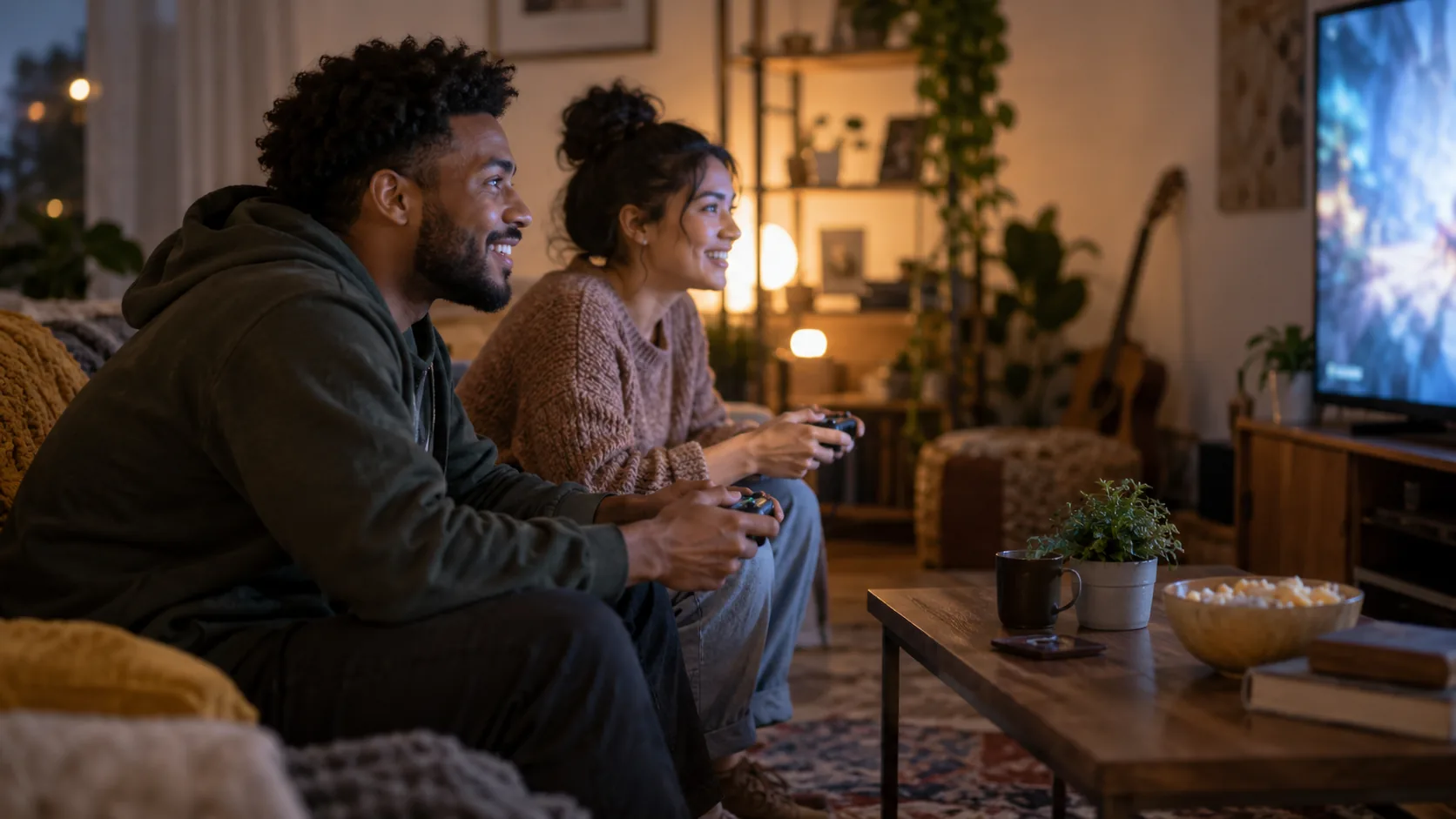
Every other Friday, I host a fighting-game night in my apartment. It started with four people from work and became a rotating group of eight. The original appeal was that nobody was especially good. We ordered pizza, picked characters by appearance, and celebrated any move that looked intentional.
Then Marcus joined. He is friendly, brings drinks, and knows the game at a level the rest of us did not know existed. During his first visit, he won every match. That was impressive. During his fourth visit, he still won every match, except now he also explained why we lost while selecting the rematch.
He is not insulting anyone. He offers advice, chooses unfamiliar characters, and sometimes plays with self-imposed limits. Those attempts make the gap feel larger. Losing to his main character is one thing. Losing while he refuses to use half the controls feels like being beaten by someone carrying groceries.
Attendance has started thinning. One coworker says Fridays have become busy. Another still comes but spends more time in the kitchen. Last week, two newer players played each other, laughed through a close set, then looked visibly disappointed when Marcus asked for the next turn.
I spoke to him privately. He said he cannot pretend to be worse and would feel condescending if he deliberately lost. I agree. I do not want scripted wins. I suggested a separate beginner station, but my apartment has one television. A team format helps a little, though any team with Marcus wins and any team against him receives live instruction.
The obvious answer is to stop inviting him, which feels harsh when he has behaved better than many competitive players would. The other obvious answer is that everyone else should improve, which changes a social night into a training program none of us requested.
How would you structure this so real competition can survive a huge skill gap? Short sets, a winner-stays limit, cooperative challenges, rotating games, or a cap on how many matches one person plays? I want Marcus included. I also want beginners to touch the controller without feeling they have volunteered for a lesson.