My sunny apartment became a greenhouse the moment I started working from home
 Housing
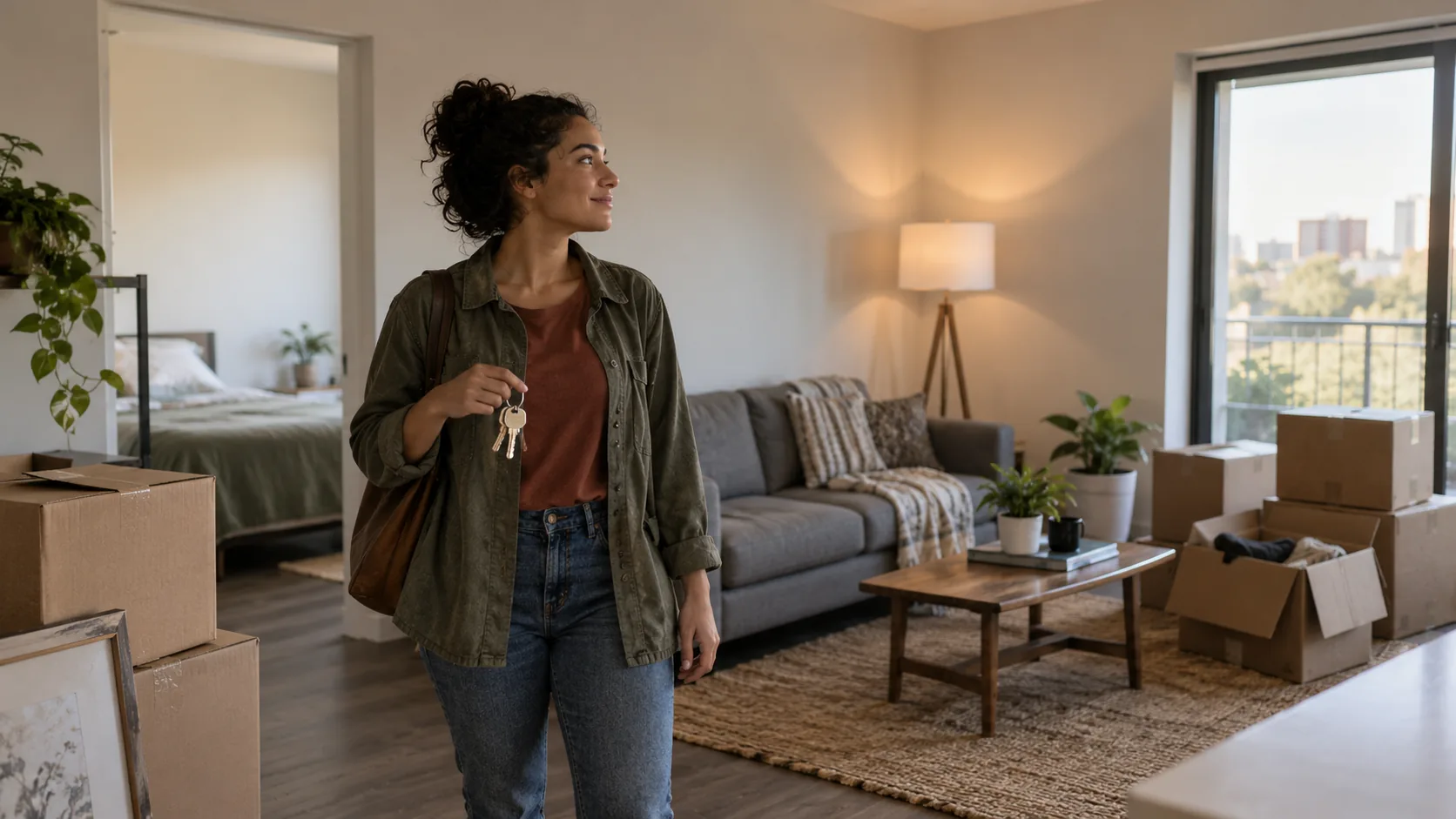
The windows were the reason I rented this apartment. They run across most of the west wall and make the living room glow in late afternoon.
They also turn my desk into a slow cooker.
When I worked outside the home, I noticed the apartment was warm when I returned but opened the blinds because the light was beautiful. Now I work remotely three days a week. By midafternoon, my laptop fan is loud, I am moving calls to the bedroom and the thermostat in the shaded hallway seems unaware that the living room has joined a different climate.
The central air works. The rest of the apartment becomes cool while the window side stays uncomfortable. I am not going to block vents, alter building equipment or attach anything permanent without permission. I want to start with the room itself: when the heat builds, where direct sun lands, whether closing the blinds earlier changes the curve, and how much the computer and monitor add.
My current blinds are thin white slats. The landlord allows tension rods but not adhesive film or drilled hardware. I can move the desk to an interior wall, although that means placing my video-call background directly in the kitchen. I can also add removable curtains, use the bedroom for afternoon work, or accept that the view I loved is incompatible with a full-day office.
The embarrassing part is that I spent money on a stylish desk after moving in because it looked perfect beneath the windows. I designed the room from a listing photo rather than from a Tuesday in July.
What low-commitment test would you run first: close the blinds before the sun reaches the glass, hang temporary curtains, move the workstation for a week, or track room temperature in a few locations? I want to learn which part of the setup matters before buying a parade of products that all promise to defeat the sun.