My girlfriend tells people we met at a bookstore because she is embarrassed that we met on a dating app
 Relationships
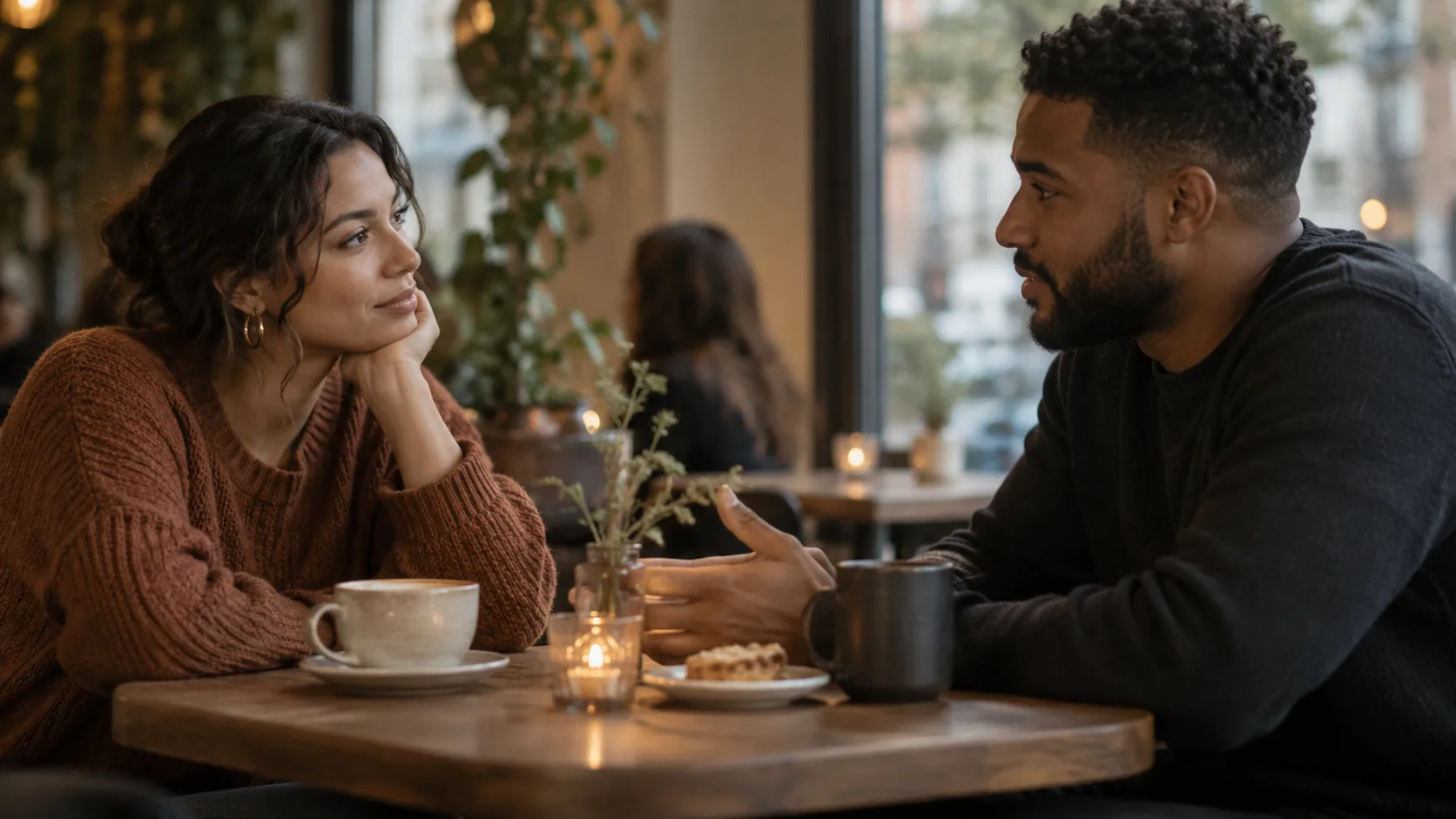
My girlfriend and I met on a dating app. My first message was about the enormous stack of mystery novels in one of her photos. We met at a bookstore café, discovered we had both arrived twenty minutes early and spent the afternoon walking through the city.
I like our story. Apparently, she likes a revised version.
At dinner with her new coworkers last month, someone asked how we met. She said, ‘At a bookstore.’ I assumed she was shortening the answer. Then she added that we had reached for the same novel.
That did not happen. It sounds like a scene written for two people with excellent hair.
I laughed and said, ‘The app helped a little.’ She kicked me lightly under the table and changed the subject. On the drive home, she said I had embarrassed her over a harmless story.
She grew up in a small town where online dating still gets discussed as though someone ordered a spouse from a catalog. Her parents think we met at the bookstore. So do several of her friends. She says the invented detail protects our privacy and gives people a sweeter answer than explaining profiles and messages.
I asked why the truth needs improvement. She said it does not; she just prefers the bookstore version.
Since then, I have noticed how often she edits us. We did not move in together after a romantic conversation; my lease ended and the timing made sense. She tells people we ‘couldn’t stand being apart.’ We did not discover a shared love of running; she persuaded me to join a 5K and I complained through training. The polished versions are not malicious. They are only smoother than our actual life.
The problem is that I like the awkward facts. I like that her profile included a typo she still denies. I like that we both sat at different tables for five minutes because neither recognized the other without sunglasses. Those details feel more intimate to me than the coincidence she invented.
She thinks I am making a moral issue out of social storytelling. Everyone compresses and decorates. She also says the story belongs to both of us, so I do not have sole authority over how it is told.
That is true, but it cuts both ways. If the story belongs to both of us, why am I expected to perform her version?
We are attending her cousin’s anniversary party next month, and she asked me not to correct the bookstore story if it comes up. Agreeing feels like supporting a minor preference. Refusing feels like insisting that she publicly disclose something she finds embarrassing. Yet going along makes me feel as if the beginning of our relationship is acceptable only after editing.
Would you let a partner keep the romantic version for other people, or insist on a shared story that both people can tell without lying?