My friend treats every adaptation change like proof the filmmakers did not understand the book
 Entertainment
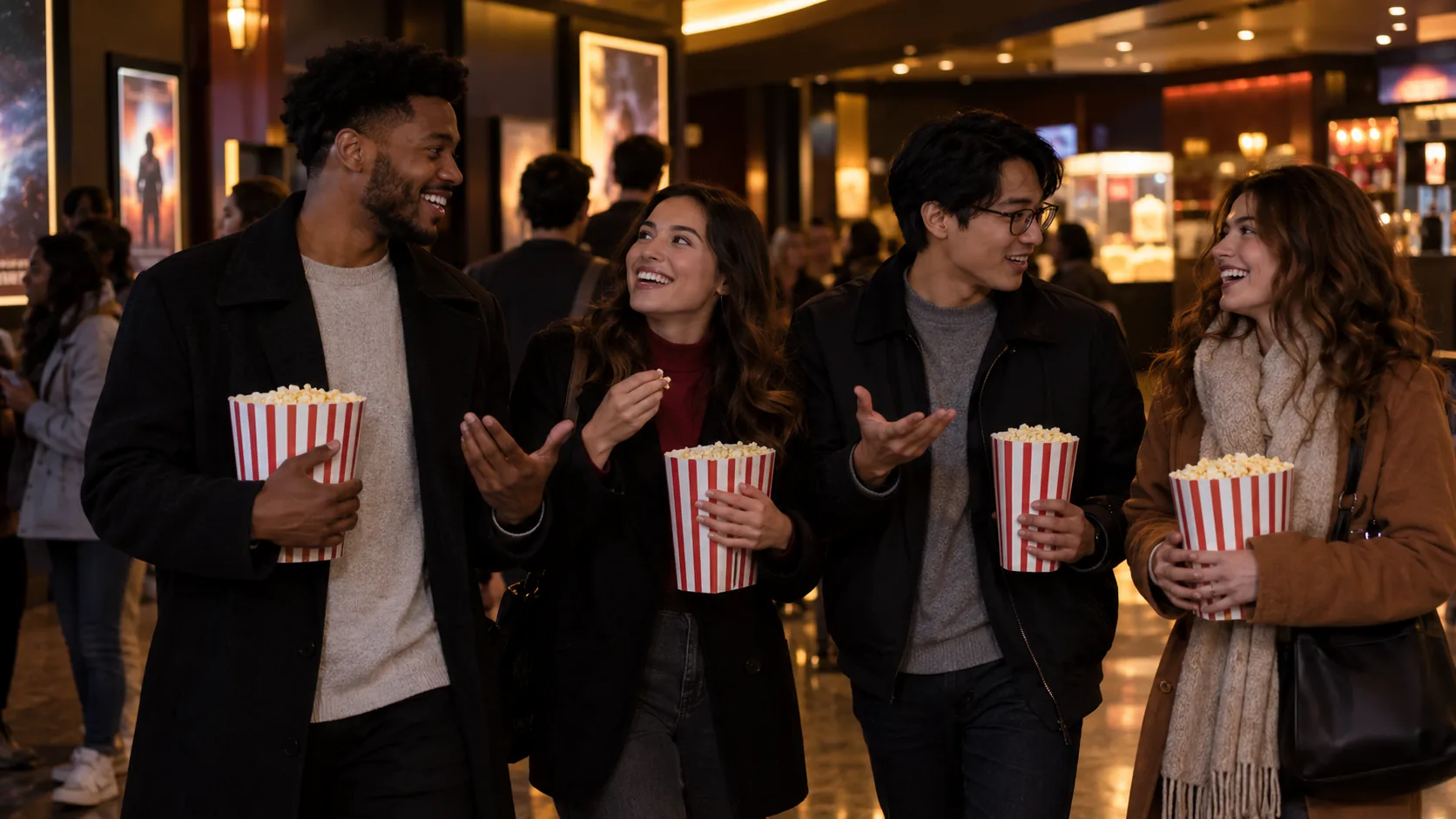
My friend and I both loved the same mystery novel, so seeing the screen adaptation together seemed like an easy plan. I expected us to disagree about a few choices. I did not expect to spend the entire movie defending the existence of adaptation as a concept.
The first change was small: a scene that happened in a train station in the book took place in a diner. He leaned over and whispered, “They already missed the point.” When two minor characters were combined, he sighed loudly enough for the people ahead of us to turn around. By the time the ending changed the order of two revelations, he had stopped watching the movie and started grading it against a version only he could see.
At dinner afterward, I said I thought the new order worked on screen. He told me I was rewarding filmmakers for disrespecting the source. I asked whether any change could be legitimate. He said yes, if it preserved the author’s intent, then defined the author’s intent as every choice he personally wanted retained.
The annoying part is that I enjoy comparing versions. A change can expose what each medium does well. Cutting an internal monologue may force an actor to carry the same idea through behavior. Combining characters can simplify a plot but flatten a relationship. Those are interesting tradeoffs. They disappear when every difference is treated as a mistake.
He has invited me to another adaptation next month. I want to go, but not if the night becomes a live fact-check against the book. Telling him to judge the movie “on its own terms” will probably sound like I am forbidding comparison, which I am not.
How do you discuss an adaptation with someone who treats fidelity as the only measure of respect? Is there a useful rule—save comparisons until afterward, name one gain for every loss, or choose adaptations of books neither person has read—or are we simply looking for different experiences?