I chose the scenic route, and everyone blamed me when it stopped being scenic
 Travel
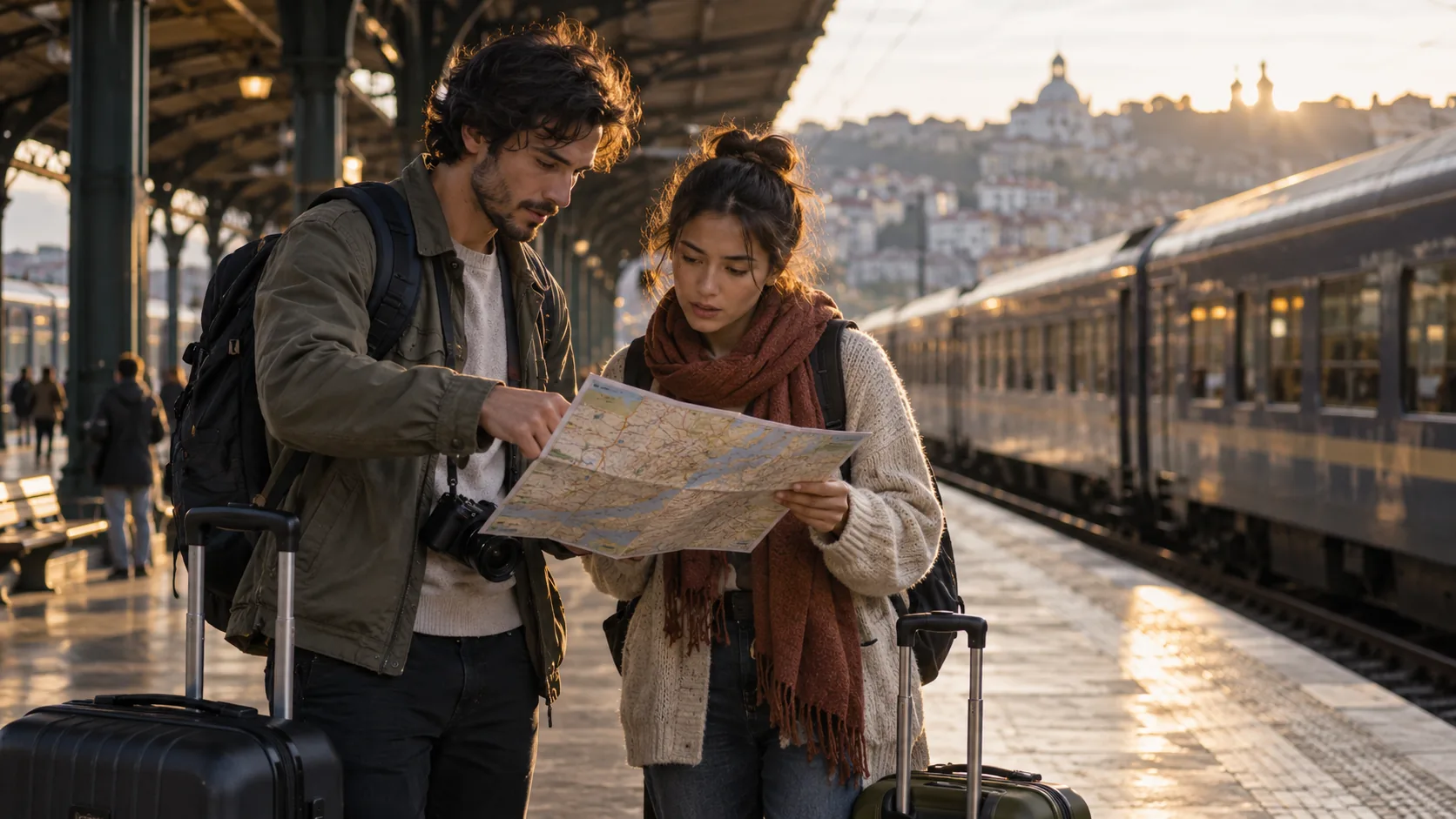
The map offered two routes to our next stop. One was direct. The other curved through smaller towns and promised the kind of drive people describe as part of the vacation.
I proposed the scenic route.
For the first hour, it delivered. We passed farms, stopped at an overlook, and congratulated ourselves for refusing to rush. Then the weather changed. The road narrowed, visibility worsened, and the curves that had looked charming on the map began making one passenger carsick.
Current road and weather guidance should have controlled the decision, and we should have checked it more carefully before leaving. Once conditions deteriorated, the driver adjusted and we took the safest verified option available. We arrived later than planned, tired and hungry.
Nobody openly said it was my fault. They said things near me.
“The other route probably would've been easier.”
“At least now we know.”
“Scenic is doing a lot of work in that description.”
I became defensive. I pointed out that everyone agreed. Someone replied, “You were the one who wanted it.” Both statements are true.
Group decisions often work this way: one person supplies the enthusiasm, everyone else supplies low-effort consent, and the enthusiast inherits the result. If the route had remained beautiful, it would have been our good choice. Because it became unpleasant, it was my experiment.
I do not think anyone owes me an apology. I do think future decisions need a clearer shared standard than nodding at the person holding the phone. If a detour adds time or uncertainty, we should name the tradeoff and identify the point where we switch plans.
How do you share responsibility for optional travel choices without making every turn a committee vote? Is enthusiastic advocacy a form of ownership, or should adults who say yes accept the outcome unless information was withheld?