A family tradition is not automatically a family vote
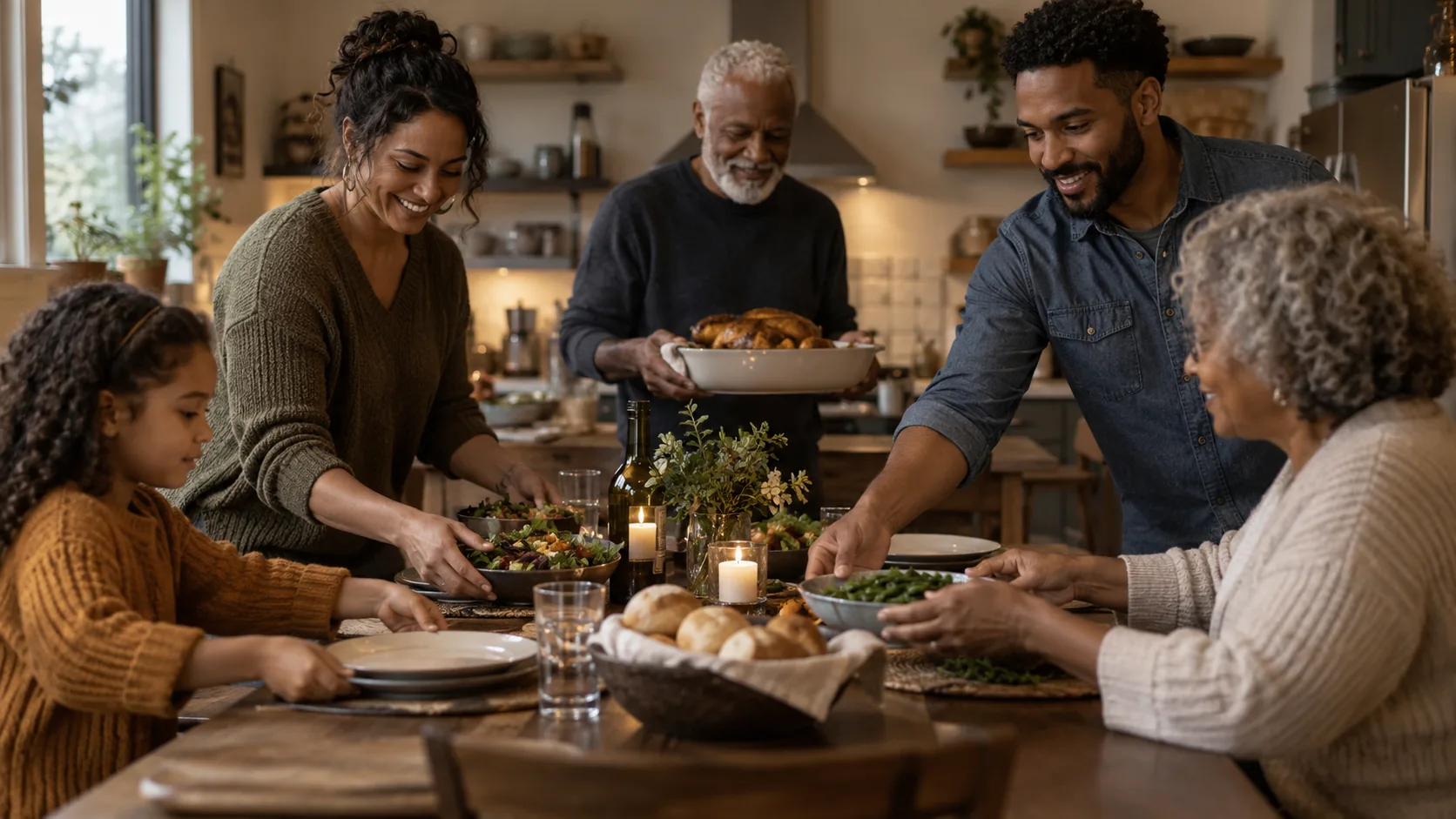 Family
My family makes oyster stew on Christmas Eve. Almost nobody likes it.
My grandfather liked it. My mother learned to make it because he expected it. After he died, she kept making it because stopping felt disrespectful. Now my sister buys the ingredients, my mother supervises and eleven people eat small bowls before ordering pizza. Every year someone says, ‘It would not be Christmas without the stew.’ Every year most of the stew goes down the sink.
This is harmless enough. The cost is small, and the story makes us laugh. But it taught me something about the way families use the word tradition. We speak as though a tradition arrived by unanimous vote. Often it began as one person’s preference, repeated until nobody remembered they were allowed to ask whether it still fit.
The same thing happens with more consequential customs. One sibling hosts because she has the largest dining room, even after hosting becomes exhausting. Adult children drive to their parents because ‘everyone comes home,’ although home is now six hours from everyone except the parents. Relatives exchange gifts with a price limit nobody can comfortably afford because changing it would make the year feel diminished.
When someone questions the routine, the family treats the question as rejection of the people attached to it. Skip the stew and you are dismissing Grandpa. Suggest brunch instead of dinner and you are breaking your mother’s heart. Stay in a hotel and you are no longer close.
That is too much symbolic weight for a recipe, a time slot or a sleeping arrangement.
A living tradition should be able to survive a conversation. Who enjoys it? Who prepares it? Who pays for it? Who would be relieved if it changed? What part carries the meaning, and what part is simply the old logistics?
Sometimes the answer will be to keep the whole thing. Repetition can create belonging precisely because it is familiar and slightly inconvenient. Sometimes the answer will be to keep one piece: serve a tiny cup of oyster stew, tell the story about Grandpa and let the pizza arrive before everyone is hungry.
The point is not to modernize every family habit until nothing remains. It is to stop using the dead, the absent or the sentimental as permanent votes against the living people doing the work.
This year my mother suggested making half a batch. The room did not collapse. Grandpa remained remembered. My brother still complained about the smell. Tradition survived becoming proportionate.
Which family tradition would look different if everyone were asked, without guilt, what they actually wanted to preserve?